Service category

Enhance Your Natural Beauty
Personalized Cosmetology Care for Confident, Beautiful Skin

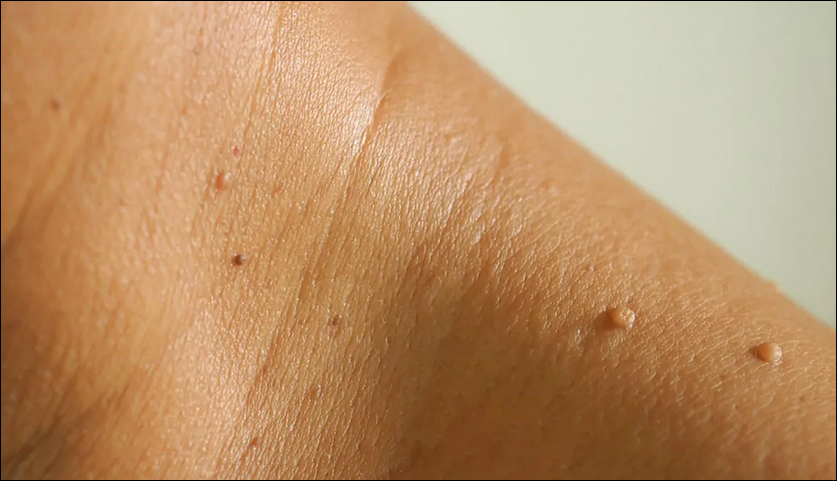
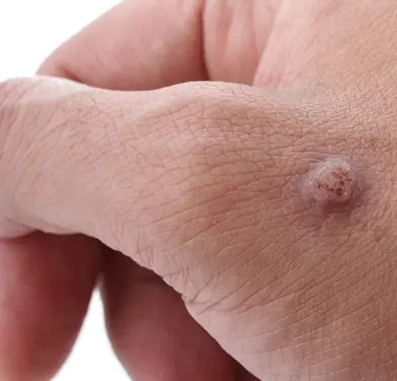
Skin tags and warts are common skin growths that can appear on different parts of the body. While they are often harmless, they may sometimes cause discomfort, irritation or cosmetic concerns. Dr. Himanshi Sawlani provides professional assessment and individualized treatment options for suitable skin tags and warts.
The appropriate removal method depends on the type, size, location and appearance of the growth. After examining the affected area, Dr. Himanshi Sawlani determines whether removal is appropriate and selects a suitable technique, which may include procedures such as cautery, cryotherapy or other dermatological methods depending on the diagnosis.
- Professional assessment of skin tags and warts.
- Individualized treatment based on the type and location of the growth.
- Suitable dermatological removal techniques when clinically appropriate.
- Focus on minimizing unnecessary skin trauma during treatment.
- Professional care under Dr. Himanshi Sawlani.
- Personalized wound care and aftercare guidance.
Remove unwanted growths with professional dermatological care
Skin growth removal should begin with an accurate assessment. Dr. Himanshi Sawlani examines the growth and considers its appearance, size, location and clinical features before recommending an appropriate treatment. The focus is on safe removal, patient comfort and proper aftercare to support healthy-looking skin.
Expert skin assessment
- Each skin growth is assessed before deciding whether removal is appropriate.
- Treatment planning by Dr. Himanshi Sawlani based on individual skin needs.
Personalized removal
- The removal technique is selected according to the type, size and location of the growth.
- Post-treatment care is provided to support proper healing and skin recovery.
Frequently asked questions
Skin tags are generally soft, benign growths that commonly develop in areas where skin rubs together. Warts are skin growths commonly associated with certain strains of human papillomavirus (HPV). A dermatologist can examine the growth to determine the appropriate treatment.
The removal method depends on the type and characteristics of the growth. Depending on the case, options may include cautery, cryotherapy, excision or other dermatological techniques. Dr. Himanshi Sawlani will recommend the most appropriate option after examination.
Yes. An examination is important before removing any unfamiliar or changing skin growth. Dr. Himanshi Sawlani can assess the lesion and determine whether treatment or further evaluation is required.
Recurrence depends on the type of growth and individual factors. A treated skin tag may not return at the same site, while warts can sometimes recur because the underlying viral infection may persist. Dr. Himanshi Sawlani can provide appropriate follow-up advice.
Skin tag and wart removal is performed under the professional guidance of Dr. Himanshi Sawlani. A dermatological assessment is recommended before treatment to determine the appropriate removal method for your individual case.
 Dental Care